
Social camouflaging is not a choice
Masking of autistic traits or social camouflaging is something that is easily overlooked. Adapting how you react is common among all people and having different levels of politeness in other groups is common. Among autistic people masking is more than that, it is a survival strategy. It helps us to fit in and shields us from ridicule and abuse. However, it comes at a high cost. Masking autistic traits is exhausting and can lead to stress and burnout.
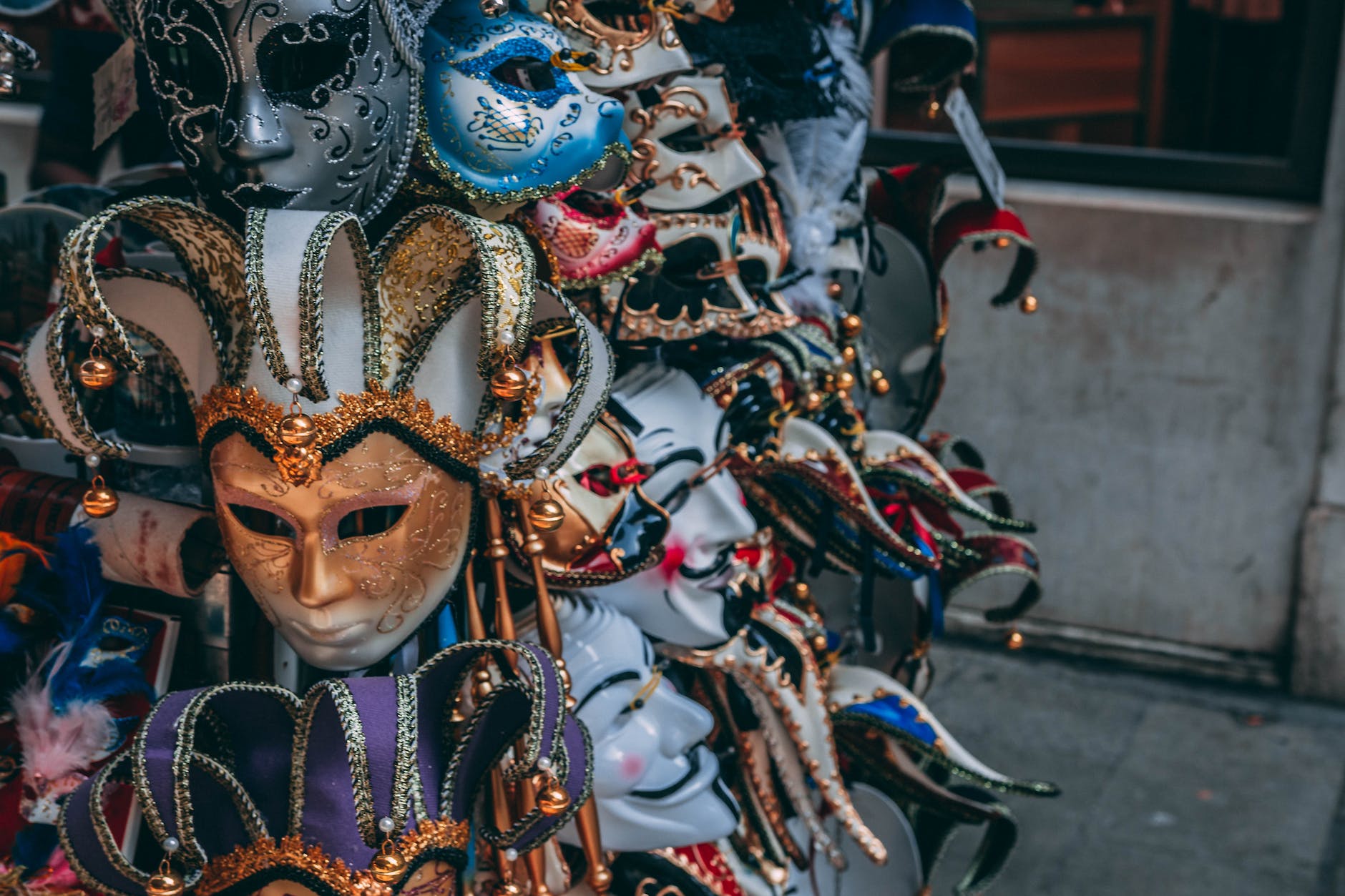
Autistic masking is not the same as when a non-autistic person employs short-term social strategies such as acting more confident than you are to make a presentation.
Autistic masking is tiring and stressful. It involves a person having to deny large parts of their personality, such as sensory issues, for many hours at a time and can lead to burnout. A New York Times article from September 2021 speaks about how burnout affects autistic people differently from Neurotypical people and links this with the high suicide rate in autistic people.
Research shows that autism masking affects women more than men, as women have more demand for social interaction within society, thus the need to conform is more prevalent. Additionally, women are more likely to be socially isolated by other women if they do not fit in. Masking in women is cited as a reason for lower diagnosis rates in women and girls.

World History Encyclopedia, shared on a Creative Commons Attribution-ShareAlike licence.
These are some of the signs that someone is masking:
- Deliberately copying someone’s body language,
- Forcing or faking eye contact during conversations,
- Planning a social script before meeting someone,
- Trying to hide their stims,
- Hiding or underplaying their own intense interests.
I must point out that the research is at an early stage, the first large-scale look at burn-out in autistics was in 2021 and into masking in 2022. Lots of work still needs to be done.
But there is something positive. This study shows that higher self-reported masking is related to poorer mental well-being. But higher Autistic Community Connectedness is related to more positive well-being.
It’s good to meet with other autistics in a place where we do not need to mask.
 Making an ass of myself