
Psalms of David
In July 1917, the Canterbury Convocation in the Church of England approved the removal of Psalm 58 and several other psalms as part of its process of liturgical reform.
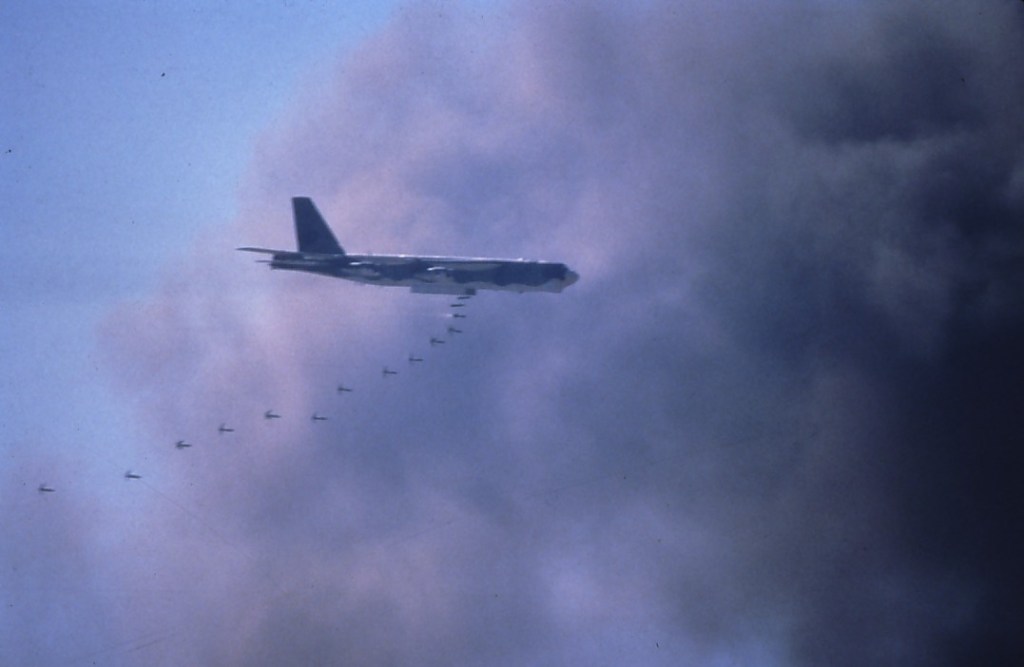
The reason was the German bombing campaign in World War I. Several people were using this and other psalms to justify striking back in like manner against civilian targets.
-o0o-
Psalms in Book 2 are like Book 1 in that they are mostly lament and distress although they now include a communal voice in addition to the singular voice of the first book.
Free image from Wikimedia Commons
The books of Psalms are roughly themed like this:
Book 1: Psalms 1 – 41: God is beside us.
Book 2: Psalms 42 – 72: God goes before us
Book 3: Psalms 73 – 89: God is all around us.
Book 4: Psalms 90 – 106: God is above us.
Book 5: Psalms 107 – 150: God is among us.
To the choirmaster: according to Do Not Destroy. A Miktam of David.
58 Do you indeed decree what is right, you gods?
Psalm 58 ESVUK
Do you judge the children of man uprightly?
2 No, in your hearts you devise wrongs;
your hands deal out violence on earth.
3 The wicked are estranged from the womb;
they go astray from birth, speaking lies.
4 They have venom like the venom of a serpent,
like the deaf adder that stops its ear,
5 so that it does not hear the voice of charmers
or of the cunning enchanter.
6 O God, break the teeth in their mouths;
tear out the fangs of the young lions, O Lord!
7 Let them vanish like water that runs away;
when he aims his arrows, let them be blunted.
8 Let them be like the snail that dissolves into slime,
like the stillborn child who never sees the sun.
9 Sooner than your pots can feel the heat of thorns,
whether green or ablaze, may he sweep them away!
10 The righteous will rejoice when he sees the vengeance;
he will bathe his feet in the blood of the wicked.
11 Mankind will say, “Surely there is a reward for the righteous;
surely there is a God who judges on earth.”
I am familiar with the Psalms. There was a time when I read a psalm daily, which meant reading each psalm every 5 months, allowing for taking Psalm 119 in sections. At another time I kept to the liturgical psalter of morning and evening psalms, which meant each psalm every month. Four times I have read through the entire Bible. On no occasion have I read Psalm 58 as condoning revenge.
When I wrote about Psalm 56 I mentioned that revenge does not mean the same as avenge. We are never to take revenge, but God is the avenger. It is a matter of God’s justice. In the case of Psalm 58, the issue seems to be an internal one. David normally starts by asking God for mercy and most of his psalms are personal, putting himself in the place of pleading his case in a court with God as the judge. The simple answer here, the one I have always thought the psalm was about, is that this is directed at dishonest judges within the country rather than an external enemy.
Psalm 58 is the third of five consecutive psalms called Miktam in the introduction and is also the second of three psalms labelled as “Do not Destroy” thought to be the name of the tune they were set to. The best guess for the meaning of Miktam is a stain or covering. Two verses contain problems for a literal understanding: Verse 1 refers to those who judge others as gods, probably meaning that they set themselves up above being contradicted. I believe that we have to watch out when people set up their opinions as beyond contradiction. This is important not only in matters of social justice, although that is the theme here.
The other verse with a problem with interpretation is verse 9, the strange saying about pots and thorns is difficult to explain, it could well be a figure of speech, and it could relate to our present figure of speech about half-baked ideas. That idea has been put forward, but we just don’t know.
God is hardly mentioned in this psalm, which takes the form of a chiasm which is a form used in nearly all psalms and is a repetition of similar ideas in the reverse sequence. The mentions of God come at the beginning and end of this repeat.
There are over 20 implicatory psalms, that is psalms which ask for vengeance. I shall be looking at one where the psalmist sets themself up as being righteous when I look at Psalm 69 early in 2024. Several of these psalms are quoted in the New Testament, but never in a way that calls for vengeance but applying them to Christ and his coming kingdom. An example is in John 2:17 which quotes Psalm 69:9. “
There are over 20 implicatory psalms, that is psalms which ask for vengeance. I shall be looking at one where the psalmist sets themself up as being righteous when I look at Psalm 69 early in 2024. Several of these psalms are quoted in the New Testament, but never in a way that calls for vengeance but applying them to Christ and his coming kingdom. An example is in John 2:17 which quotes Psalm 69:9. “His disciples remembered that it was written, ‘Zeal for your house will consume me.'”
Some people separate the Old Testament as full of malice and the New Testament as full of love. C. S. Lewis called the implicatory psalms contemptible. Yet there are implicatory passages in the New Testament too. The warning of those on the left in the parable of the sheep and the goats:
Depart from me, you cursed, into the eternal fire prepared for the devil and his angels. 42 For I was hungry and you gave me no food, I was thirsty and you gave me no drink, 43 I was a stranger and you did not welcome me, naked and you did not clothe me, sick and in prison and you did not visit me.
Matthew 25:41-43
These passages are called implicatory because you will have to face up to the implications of your actions. They are a call to repentance, a call to fall before God and beg for his mercy.
The collection of Psalms by David in the second book of Psalms (Psalms 42 to 72) begins with Psalm 51 where David did just that, fell down and asked God for mercy. That is the reason for these passages, to ask people who read them to examine themselves and repent.
< Psalm 57 | Psalm 58 | Psalm 59 >
< Previous | Psalms of David | Next >
 Making an ass of myself