
Why do I look at details first? Autism and bottom-up thinking.
I walk into a restaurant, I hear the sounds of the people talking at the tables, the scratches of forks against china plates, the sounds from the kitchens too (kitchens visible to the customers are becoming increasingly popular), and the sound of the music playing through the tannoy.
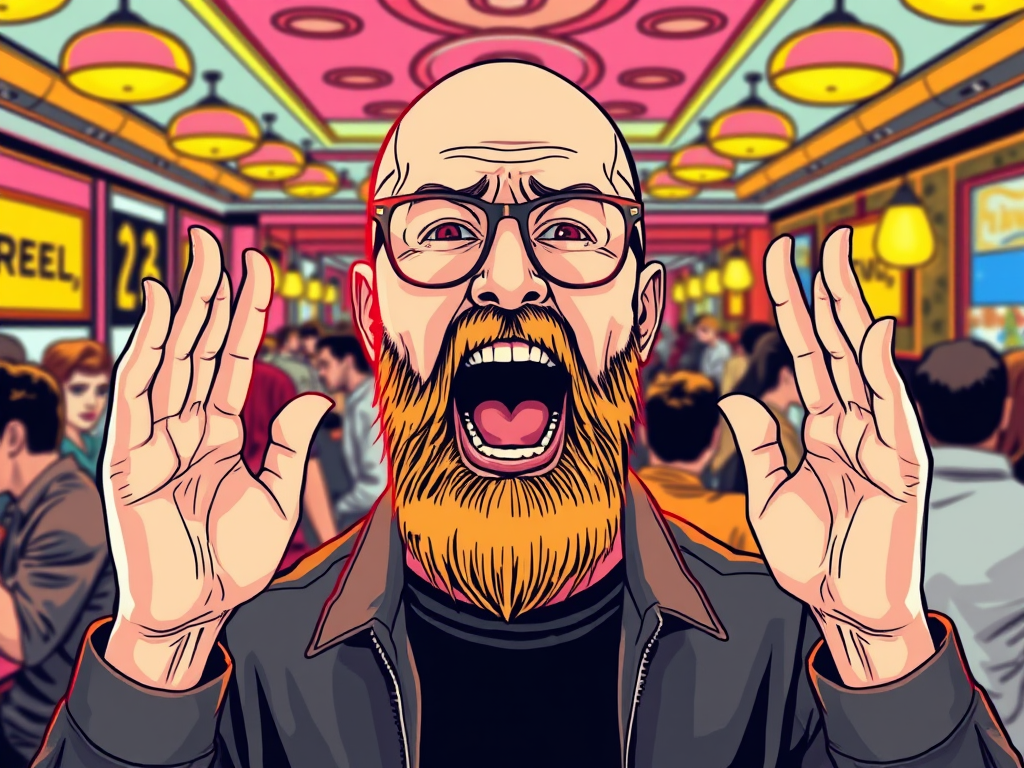
Then there’s the light. Hopefully, it will be subdued, but McDonaldifiation will continue apace, even in slower food establishments. What’s on the walls? Is it themed to the restaurant or just pictures of the countryside? Are the walls in bright colours, pastel shades, or bland white or beige? And are they patterned or plain?
And the smells: The aroma of the hot food comes first, but there are hints of wine and beer smells, especially in gastro-pubs, and the mixture of all the perfumes being worn.
All this is while we stand inside the door, waiting to be shown a table. It’s a wonderful mix, and I like it unless all this sensory input becomes too much.
We are shown to the table. The comfort of the chairs is very important; a ridge at the front under my thighs can ruin the whole evening. The feel of the tablecloths is important too, and I hope the cutlery is not too hot, straight from being washed or too cold; they must be a happy balance between too light and too heavy.
All this comes at the beginning and never goes away. Being a very sensory person can be great.
But there are problems too. The menu is an obstacle to be overcome. Is it too long or complicated in its description? That could push me into overstimulation. I compensate for this by choosing from the first five items on the list unless someone points out something further down the list. Am I slow to choose? That is because I choose from the details, not the overall style of the dish.
I am well into the main course before I settle into the vibe of the restaurant, rather than all these details. I can relax now.
Why am I here in this restaurant, and what have I not mentioned yet? I can answer both of these things in one answer. It’s good food, good drink and good conversation. But this gets swamped in sensory input.
It’s often recognised that autistic individuals may engage in bottom-up thinking, a beautiful way of making sense of the world by beginning with the simplest sensory experiences and gradually developing a richer understanding. This process not only shapes how they perceive the world but also enhances their interactions with everything around them.
This beautifully contrasts with top-down thinking, where our prior knowledge, experience, and expectations guide us in interpreting sensory information. For instance, we can confidently navigate a familiar route even in the dark, showcasing our remarkable adaptability and intuition.
Most people, whether they’re on the autism spectrum or not, juggle both thinking styles, but there’s usually one that steals the show, especially when it comes to decision-making. Bottom-up thinkers are like those people who stroll through a buffet, analysing each dish like they’re trying to solve a Rubik’s Cube before they choose a plate; to a big-picture thinker, this can look suspiciously like procrastination. I personally think that bottom-up thinkers make the most epic decisions, but that’s probably just my bias talking because I am one. Still, I often find myself in a dramatic showdown over how long it takes to collect all this information. I could win an Olympic medal for research procrastination!
I belong to a remarkable breed of bottom-up thinkers; I embrace a vibrant sensory experience first, allowing my logic to emerge second, while emotions take a back seat, manifesting only after the thrill of raw perception and reason fuel my understanding.

