
Feeding the 5,000 from the disciples’ perspective
Who is Jesus? part 64 – John 6:1-15
Distribution takes time. A container arrives in September on Monday, it is delivered to a disribution centre on Tueday. Because of computer booking in it can be ready to be picked for delivery on late Tuesday, picked delivered to shops and be sold by early Thursday. It’s so much easier with fast routes and a leet of trucks than it could ever bein the days of distribution by donkey cart. Imagine the logistics required here…
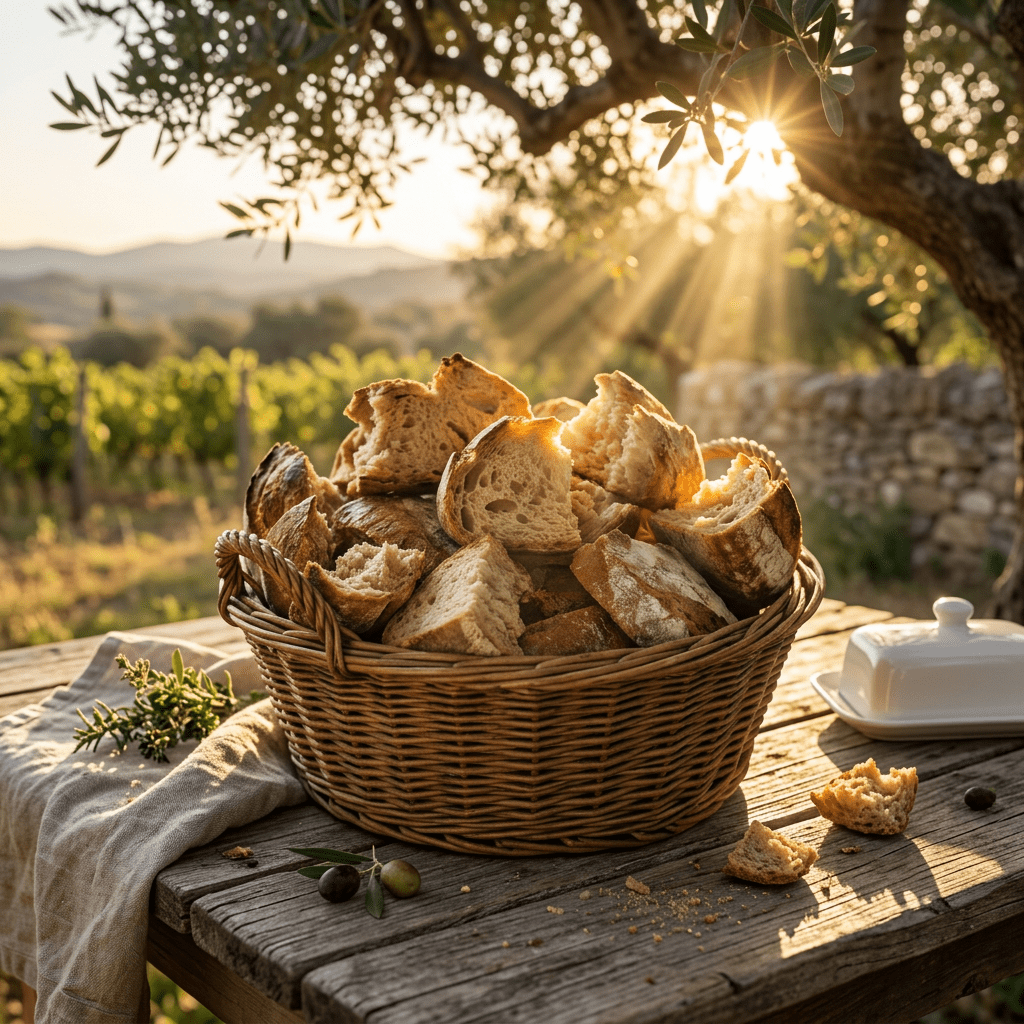
6 After this Jesus went away to the other side of the Sea of Galilee, which is the Sea of Tiberias. 2 And a large crowd was following him, because they saw the signs that he was doing on the sick. 3 Jesus went up on the mountain, and there he sat down with his disciples. 4 Now the Passover, the feast of the Jews, was at hand. 5 Lifting up his eyes, then, and seeing that a large crowd was coming towards him, Jesus said to Philip, “Where are we to buy bread, so that these people may eat?” 6 He said this to test him, for he himself knew what he would do. 7 Philip answered him, “Two hundred denarii would not buy enough bread for each of them to get a little.” 8 One of his disciples, Andrew, Simon Peter’s brother, said to him, 9 “There is a boy here who has five barley loaves and two fish, but what are they for so many?” 10 Jesus said, “Make the people sit down.” Now there was much grass in the place. So the men sat down, about five thousand in number. 11 Jesus then took the loaves, and when he had given thanks, he distributed them to those who were seated. So also the fish, as much as they wanted. 12 And when they had eaten their fill, he told his disciples, “Gather up the leftover fragments, that nothing may be lost.” 13 So they gathered them up and filled twelve baskets with fragments from the five barley loaves left by those who had eaten. 14 When the people saw the sign that he had done, they said, “This is indeed the Prophet who is to come into the world!”
15 Perceiving then that they were about to come and take him by force to make him king, Jesus withdrew again to the mountain by himself.
John 6:1-15 ESVUK
It was a difficult question. Jesus wanted to spend time with his disciples, but the people wanted to be with him. They traveled by land and stayed all day. From the Golan Heights, Jesus saw the crowd by the shores of Lake Galilee after they crossed the River Jordan. He approached Philip, asking, “Where can we buy food?” because Philip was from the area.
I found myself at this passage for the fourth time now, and let me tell you, I cleared my mind of all ihad been told, and was amazed at Philip’s reply. He’s going on about the food costs like he’s negotiating a deal at a farmers’ market! Having worked in logistics, I know a thing or two about costs. But long before container ships and motorways, the first rule of logistics was, “Where’s the cost?” Even if they were rolling in money, what shops were around to feed an army? If there was a lone shop, you’d think they’d be microwaveing meals forever! Matthew’s version says they counted 5,000 men, but heaven knows how many hungry women and children went unnoticed! In today’s lightning-fast logistics world, whipping up a feast for 10,000 folks in an hour? That’s impossible! With Philip the local expert, it seemed like a wild goose chase, but Jesus asked him that question to teach him, and the rest of the disciples, an unforgettable lesson!
When Andrew is mentioned in John’s Gospel he is bringing people to Jesus. He brings a boy who is willing to share his packed lunch of bread rolls and fish. But the situation is beyond even Andrew’s positivity. “but what are they for so many?” he asks.
The apostles, called disciples in John’s Gospel, were just like us. All they could see in front of them was an impossible task even though the one who could do the impossible was right there with them. It is not recorded that they asked Jesus for help. All they said was that they could not do it. They did not have enough, so why try? They were defeated before they started.
Did people then share their own food? Or did Jesus perform a miracle? Some believe the boy’s generosity embarrassed others into sharing, but I disagree. Jesus knows people’s hearts and said people were hungry; he would have known about hidden food! Also the crowd called it a miracle and wanted to make him King. If it were just psychology, they wouldn’t have reacted this way.
So how did the food multiply? Despite being told in all four Gospels, we are not really told how. But when I picture it in my mind I see something like the food miracles of Elijah and Elisha happening. In 1 Kings 17:14-16. God promises a widow in Zarephath that her jar of flour and jug of oil would not fail or empty for three-and-a-half years of drought, as a reward for her obedience to Elijah. Imagine, she could take some four from the jar and pour some oil from the jug over and over again and there’d still be the same amount left in. I see this sign working that way. Jesus gave the food out to the disciples, but always had the same left. Then it was the same for the disciples: As the food was given out the remaining food remained the same, and because people took more than they needed there was much more left over food than there was at the beginning.
It was the disciples who distributed the food. The context in 6:11 says that Jesus distributed the food but the disciples were involved. The synoptic Gospels clearly state it was the disciples who distributed, Matthew 14:19, Mark 6:41, Luke 9:16. They were involved in helping with what they thought was impossible. They were doing the impossible with Jesus. Doing the impossible with Jesus is now the task of the church.
Jesus is our example here. Having only one child’s packed lunch he still gave thanks to God. Matthew 14:19 says, “he looked up to heaven and said a blessing.” The principle is this: Start with what you have. Second, give praise to God, even if what you have is very small. God blesses what you have. It’s OK to start small.o God, even if what you have is very small. God blesses what you have. It’s OK to start small.
< Previous | The Gospel of John | Next >

