
Autism is my Kryptonite … my superpower
A lot has been said by autistic advocates about autism being their super power. They say that our intense focus, deep empathy, and visual processing, can be harnessed as brilliant advantages when nurtured in the right environment. Quite right too. I have worked in Quality Control where attention to detail, even in mundane and repetitive tasks, is advantageous. That’s wht tech companies actively recruit autistics.
The traditional way of looking at autism was to look at it as a deficit, a medical model focussed solely on the help autistic people need, which is good if it leads to help, but there are places in the UK where if an autistic adult makes it to a diagnosis them that’s where it ends, without being told what helps should be available and which of these are actually provided. People are being let down and left on their own.
But we are not broken. Neurodivergences, of which autism is one, are naturally occurring and are not curable conditions. There is no autism epidemic either, we are just better at diagnosing it than we were and we are picking up autism in people who once would be missed as well as picking up this backlog of people who fell through the gaps.
But I have issues with the way things are diagnosed under DSM-5. Although it treats Autism Spectrum Disorder (ASD) as a single condition there are different levels of diagnosis according to the level of support required:
Level 1: Requiring Support
Level 2: Requiring Substantial Support
Level 3: Requiring Very Substantial Support
Being autistic does not work as clear cut as that. There seems to be no difference to previous functioning labels. Under functioning labels I’d be high functioning on my good days, but following a day of being able to freely talk with people socially and even stand and talk in front of people, it is likely that the next day I experience deep fatigue and even simple everyday tasks become a challenge. Who wants to miss out on support because they didn’t need any on diagnosis day?
Autism is my superpower on some days. I can do things, I am a very capable person, On others that capability is stripped away, often in the wake of a meltdown brought on by my sensitivities to light or noise, making a simple marmalade sandwich is now an energy sapping task. Autism has become my Kryptonite.
Describing autism as a superpower can hide our deep vulnerability. Admitting that you are vulnerable is one of the hardest, yet one of the strongest, things you can do.
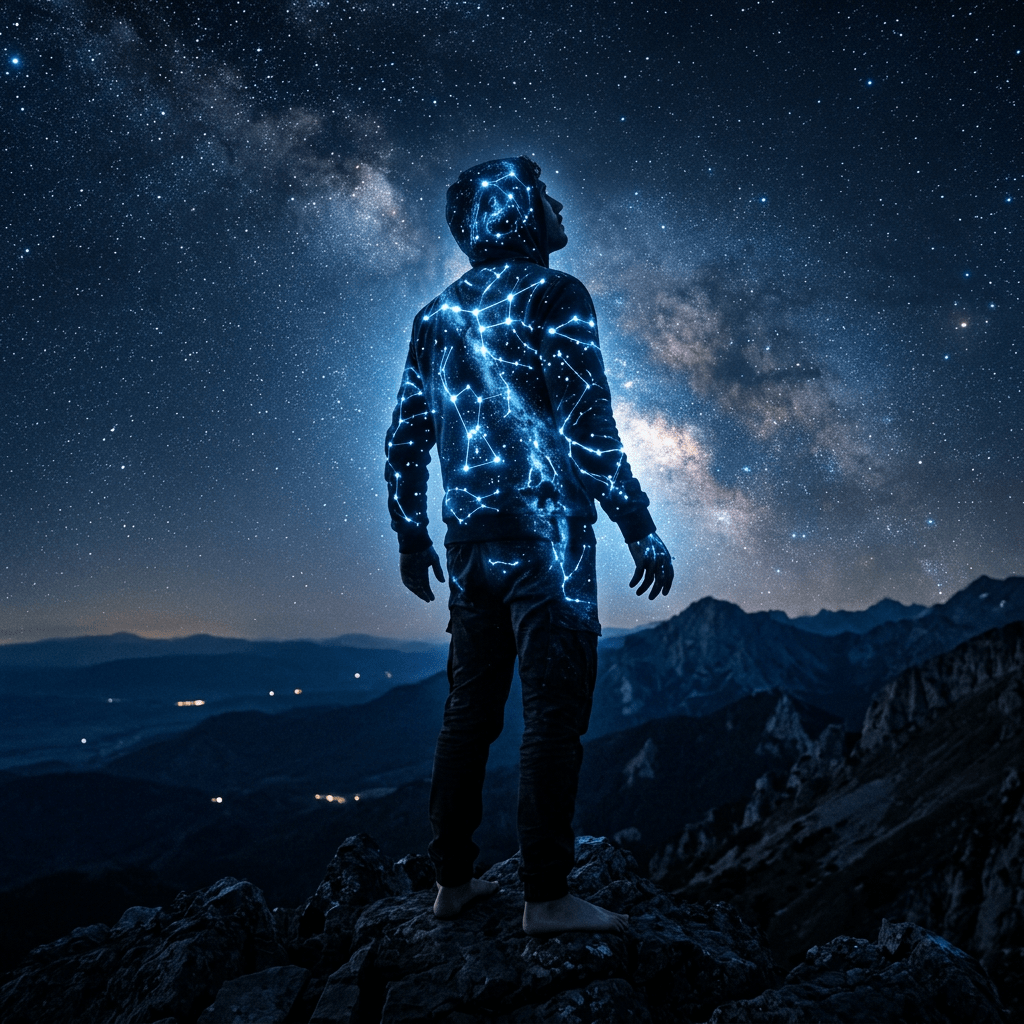
The words are mine. The title and image are AI generated from those words.

