
Wells in Genesis
Who is Jesus? part 80
There are times when you want to review everything. Like the time I learnt that angels do not have wings in the Bible. The assumption may be due to people grouping all heavenly creatures into the angel category: Seraphim (six-winged) and Cherubim (four wings and four faces). But angels, no mention of wings at all. But that is not what this is about.
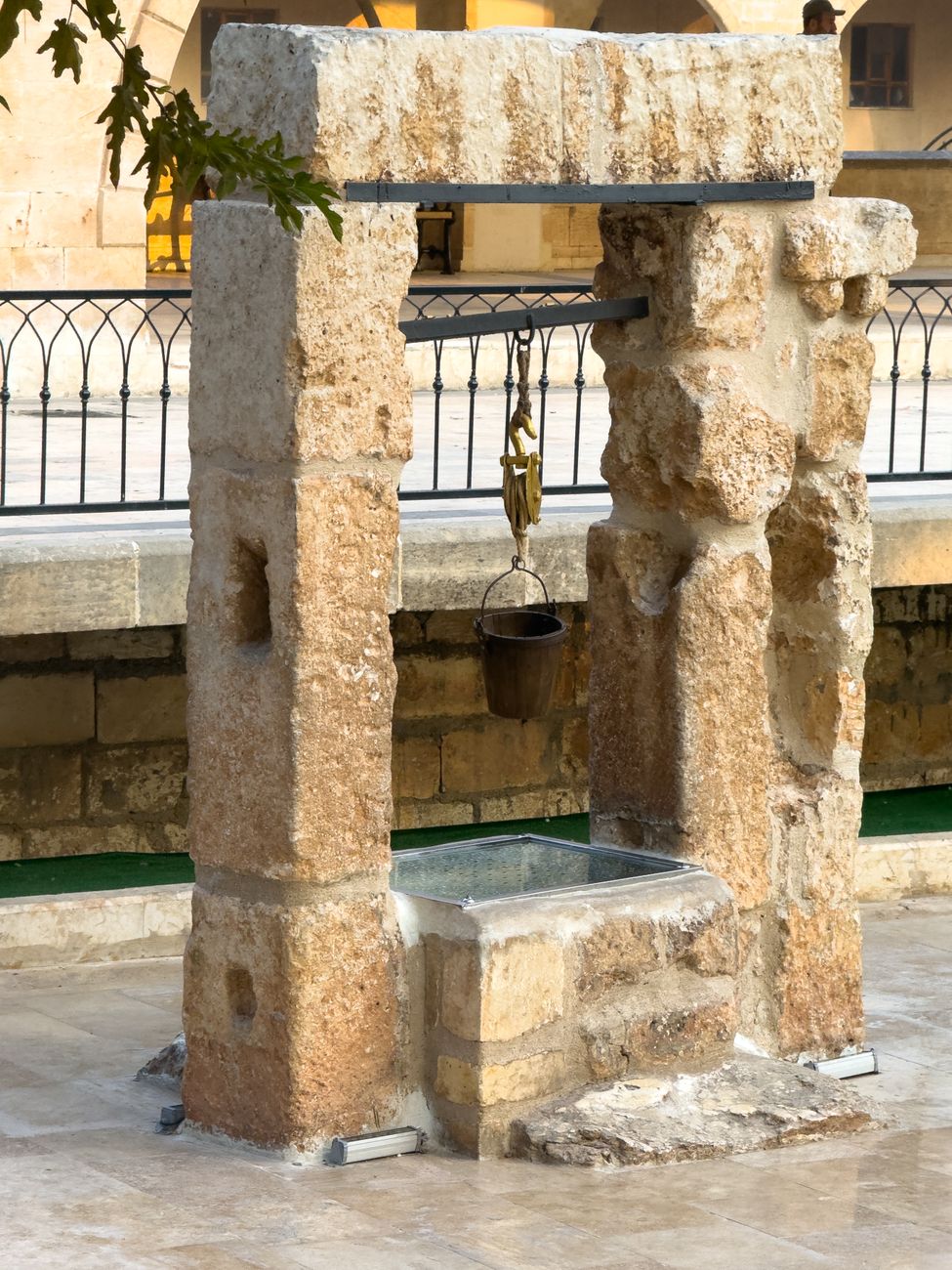
And he said, “O Lord, God of my master Abraham, please grant me success today and show steadfast love to my master Abraham. 13 Behold, I am standing by the spring of water, and the daughters of the men of the city are coming out to draw water. 14 Let the young woman to whom I shall say, ‘Please let down your jar that I may drink’, and who shall say, ‘Drink, and I will water your camels’—let her be the one whom you have appointed for your servant Isaac. By this I shall know that you have shown steadfast love to my master.”
Genesis 24:12-24 ESVUK
I am working my way through the Gospel of John, and have just reached the end of Chapter 7. The links back to the Samaritan woman at the Well in Samaria were obvious, so I’m interrupting the flow of this series, and terurning to the woman of Samaria and her well in John 4:4-42.
The previous post on this woman focused on the mirror imaging of John chapters 1 to 5. This time, I’m looking at the well, and why it was named in the story. We could spend a lot of time in Genesis, especially in chapter 24, the longest chapter in the Book.
But I’m only looking at the wells.
Genesis 24. Abraham’s servant finds Rebekah at a well.
Genesis 29. Jacob meets Rachel at a well.
Exodus 2. Moses meets Zipporah at a well.
John 4. Jesus meets the Samaritan woman at a well.
Major wedding encounters happen at wells. Abraham’s servant met Isaac’s wife at a well, Jacob met his wife at a well, Moses met his wife at a well and Jesus… More about that later.
Back to John chapter 7.
37 On the last day of the feast, the great day, Jesus stood up and cried out, “If anyone thirsts, let him come to me and drink. 38 Whoever believes in me, as the Scripture has said, ‘Out of his heart will flow rivers of living water.’” 39 Now this he said about the Spirit, whom those who believed in him were to receive, for as yet the Spirit had not been given, because Jesus was not yet glorified.
John 7:37-39 ESVUK
Jesus has announced to the people that they can come to him for water, with John adding that water is a sign of the Spirit. Wells are where the bride comes into contact with the Holy Spirit, the bride of Christ is the Church. The bride of Christ is not is an individual, so how does this relate to an unnamed Samaritan woman? Her reaction to Jesus is the clue, she listens to what he says, believes him and tells others. Is that not what the Church should be doing?
But there is something special going on in Genesis 24. The question is “Where is Isaac?” In the other stories, it is the son who goes to find his bride, but in this story there is no mention of Isaac, he’s been missing from the story since Abraham took him to be sacrificed.
Compare the story of Jesus: After Jesus has been sacrificed for the sins of the word he is resurrected, but only for a short time. He then waits in heaven for the end of the age when he will return to claim his bride. In the Genesis story, we have Abraham as the Father and Isaac as the Son. So who is the servant?
When Jesus ascended into heaven, immediately the Father sent the Holy Spirit. The servant is the Holy Spirit in this story. Look at the evidence. He goes out with gifts. Ten camels loaded with gifts. In Hebrew scripture, ten signifies completeness. Ten commandments are all the commandments the Israelites needed. Ten camels of gifts are all the gifts the bride of Isaac, Rebekah, needs.
The servant was crafty. He had asked God to send a woman who, when he asks her for a drink, will water the camels also. This is a big ask. Camels are famous for being able to go days without drinking and then are able to drink lots and lots before the next journey. That is a lot of water. Rebekah comes and does all that. The very next words are, “When the camels had finished drinking.”
22 When the camels had finished drinking, the man took a gold ring weighing a half shekel, and two bracelets for her arms weighing ten gold shekels, 23 and said, “Please tell me whose daughter you are. Is there room in your father’s house for us to spend the night?
It must have taken some time and a lot of effort to draw enough water so that the thirsty camels had had enough. What happens next is extraordinary. The servant gives Rebekah the gifts as soon as the camels are watered. She hasn’t said “yes” yet.
That is how the Holy Spirit worked in Acts Chapter 10. Peter is at the house of Cornelius, a Roman centurion. Please read the whole chapter later. Peter is still preaching:
44 While Peter was still saying these things, the Holy Spirit fell on all who heard the word. 45 And the believers from among the circumcised who had come with Peter were amazed, because the gift of the Holy Spirit was poured out even on the Gentiles. 46 For they were hearing them speaking in tongues and extolling God.
The Holy Spirit took them by surprise. He gave them gifts before they had responded. The ones who receive the gifts are not seeking gifts. Another thing about the Holy Spirit, like Abraham’s servant, is that he doesn’t seek honour for himself. The Holy Spirit gives glory to the Father and the Son.
So rather than being an easily skipped passage in Genesis, where we are more concerned with Abraham, this story of an unnamed servant is one of the best places for learning about the Holy Spirit in the Old Testament.
< Previous | The Gospel of John | Next >

